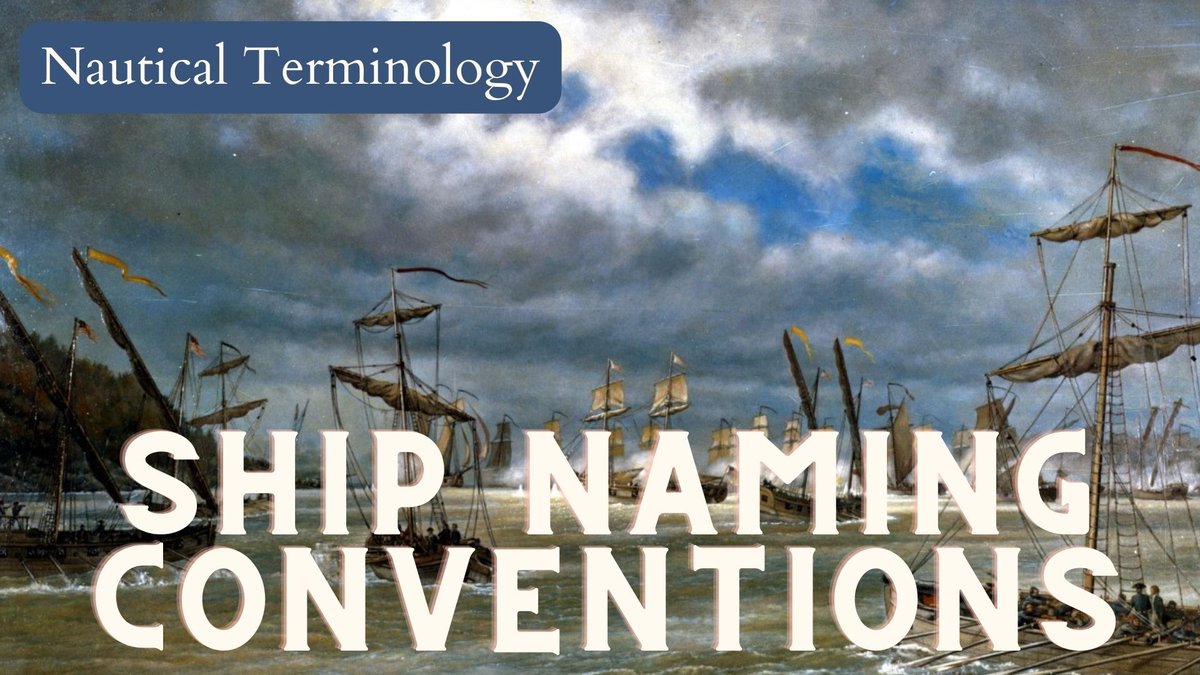
The U.S. Navy isn't just about cutting-edge technology and strategic might; it's also steeped in tradition, especially when it comes to naming its vessels. Understanding the intricate Naming Conventions for Specific Ship Types reveals a fascinating blend of history, honor, and strategic symbolism. These aren't arbitrary choices; each name carries weight, commemorating heroes, battles, and the very fabric of American identity. From powerful aircraft carriers to stealthy submarines, every ship's designation tells a story, often reflecting decades—sometimes centuries—of naval legacy and evolving national values.
At a Glance: What You'll Discover
- A Deep-Rooted History: Naval naming isn't new; it dates back to ancient times, evolving into the systematic approaches seen today.
- The Authority: The U.S. Secretary of the Navy, guided by presidential and congressional directives, holds the final say on ship names.
- Categories of Honor: Specific ship types have distinct naming patterns, often honoring presidents, states, cities, naval heroes, or significant battles.
- The "Why" Behind the Name: Names aim for historical significance, cultural sensitivity, and even practical considerations like clear radio communication.
- Exceptions Prove the Rule: While conventions exist, notable exceptions highlight unique circumstances or individuals.
- Evolving Traditions: Future naming trends are embracing greater diversity, reflecting a broader recognition of American contributions.
Why Names Matter: A Legacy on the Waves
For centuries, naming a ship has been more than a bureaucratic formality; it's an act of bestowing identity, purpose, and a piece of national spirit upon a vessel. Think of ancient mariners naming ships after deities for protection, or the British Royal Navy establishing categories like "monarchs" for their ships of the line. These traditions laid the groundwork for the modern systematic approaches we see today.
The United States Navy, drawing from these rich historical roots, formalized its naming conventions in the early 20th century. This wasn't a casual decision. Congressional action dating back to 1862, alongside executive orders from 1907, empowers the Secretary of the Navy to name vessels. This authority ensures that each name selected aligns with military protocol, celebrates historical honor, and conveys appropriate strategic symbolism. The process itself is rigorous, involving recommendations from naval historians, maritime experts, administrative review, and finally, the Secretary's approval. Every effort is made to choose names that resonate historically, show cultural sensitivity, and avoid any potential diplomatic snags.
Decoding the Fleet: US Navy Naming Conventions by Ship Type
Let's dive into the specifics, exploring how different classes of U.S. Navy ships receive their distinctive identities. You'll quickly see that while there are clear patterns, the Navy also embraces flexibility to honor exceptional cases and adapt to changing times.
Aircraft Carriers (CV, CVN): From Battles to Presidents
When you think of the most powerful symbols of American naval might, aircraft carriers undoubtedly come to mind. Their names, fittingly, carry immense weight.
Traditionally, these behemoths were named after famous battles or significant U.S. Navy ships, echoing past triumphs. However, a significant shift occurred in 1968: the convention pivoted to primarily honoring U.S. presidents. Think of the USS John F. Kennedy or the newest USS Gerald R. Ford—names that instantly evoke national leadership.
Yet, tradition is a strong current. The USS Enterprise stands as a powerful exception, a legacy name carried by no fewer than eight vessels since 1775, with CVN-80 already planned to carry the mantle by 2029. Other notable exceptions include the USS Nimitz, honoring Fleet Admiral Chester W. Nimitz; the USS Carl Vinson and USS John C. Stennis, named for influential Congressmen; and the USS Doris Miller, a courageous Navy Cross recipient. These exceptions highlight the Navy's willingness to honor individuals who have made extraordinary contributions, regardless of presidential office.
The Silent Service: Submarine Naming Nuances
Submarines, the "Silent Service," operate beneath the waves, but their names speak volumes. Their conventions are particularly dynamic due to the sheer number of vessels and the unique challenges of naming.
Attack Submarines (SSN): Cities, States, and Legacy
For the nimble attack submarines, conventions have seen some evolution. The renowned Los Angeles-class submarines are famously named after U.S. cities, a clear and recognizable pattern.
However, as the Virginia-class came into prominence, the initial scheme was to name them after states. This presented a logistical challenge: the U.S. has only 50 states, and the Navy needs more names. To address this, newer Virginia-class boats have begun incorporating legacy names of previous attack submarines, sometimes even reviving older names like those once given to fish. Furthermore, the Navy is actively exploring reusing state names from decommissioned Ohio-class ballistic missile submarines for future Virginia-class boats, demonstrating a creative approach to name management.
Ballistic/Guided Missile Submarines (SSBN/SSGN): States and Strategic Choices
When it comes to the formidable ballistic missile submarines (SSBNs) and guided missile submarines (SSGNs), the convention has largely gravitated towards states. The Ohio-class boats are prime examples, nearly all bearing state names. An exception here is the USS Henry M. Jackson, honoring a respected Senator.
The next generation, the Columbia-class, continues this trend with USS District of Columbia and USS Wisconsin. Interestingly, the USS Groton also joins this class, named after a town deeply significant to submarine building. Given the ongoing issue of state name availability, the naming scheme for the rest of the Columbia-class is currently under review, signaling another potential adaptation in naming strategy.
Guardians of the Seas: Destroyers (DD, DDG)
Destroyers, the workhorses of the fleet, are traditionally named for U.S. Navy and Marine Corps heroes and leaders. This convention ensures that the valor and sacrifice of individuals are perpetually remembered.
In the 21st century, the scope has broadened to include influential politicians, pioneers in technology or strategy, and even civil rights figures, reflecting a more inclusive view of national service. Iconic exceptions include the USS The Sullivans, which honors five brothers lost together in World War II—a poignant tribute to family and sacrifice. You'll also find the USS Winston S. Churchill, a rare honor for a foreign leader, and the USS Stethem, commemorating a Navy Seabee diver murdered by terrorists. The cutting-edge Zumwalt-class ships carry names like USS Zumwalt (for Admiral Elmo Zumwalt), USS Michael Monsoor (a Navy SEAL Medal of Honor recipient), and USS Lyndon B. Johnson (a former President), each a powerful reminder of leadership and heroism.
The Versatile Warships: Cruisers (CL, CA, CG, CGN)
Cruisers, known for their versatility, have seen several naming iterations over the decades, often reflecting their changing roles.
Earlier light (CL) and heavy (CA) cruisers were named for U.S. cities and territories, connecting these vessels to the communities they protected. Large cruisers (CB) took names from U.S. territories. As guided-missile cruisers (CG) emerged, a convention of naming them after battles became prevalent, though some, like the USS Thomas S. Gates, honored individuals. Nuclear-powered guided missile cruisers (CGN) often bore state names, again with some exceptions.
A recent significant development highlights the evolving sensitivity around naming: the USS Chancellorsville, originally named after a Confederate victory, is slated for renaming to honor Robert Smalls, a former enslaved man who became a Union hero and Congressman. This decision underscores the Navy's commitment to cultural sensitivity and inclusivity.
The Nimble Frigates (FF, FFG): Honoring Naval Ancestry
Frigates, once the cruisers of their day, are typically named for naval heroes, continuing a proud tradition of recognizing valor.
The upcoming Constellation-class frigates—20 of which are planned—will proudly bear names inspired by the original six frigates of the U.S. Navy. This choice elegantly connects the future of the fleet with its foundational past, linking new technology to a storied heritage.
Power Projection: Amphibious Ships (LPH, LHA, LHD, LPD)
Amphibious assault ships, crucial for projecting power ashore, carry names that reflect their historical and operational significance. These vessels are named after early U.S. sailing ships, significant U.S. Marine Corps battles (honoring their integral role), or even legacy carriers from World War II.
Amphibious transport docks (LPDs) are generally named for U.S. cities. However, certain exceptions stand out. The USS New York, USS Arlington, and USS Somerset are poignant examples, directly linking these ships to the September 11th attacks by using names of locations tied to those events. Other LPDs may be named for national parks or specific individuals, showcasing a range of commemorative choices.
Lifelines and Logistics: Specialty Vessels
Not all ships are built for direct combat, but their roles are no less critical. Specialty vessels, from hospital ships to fleet oilers, also follow specific naming conventions.
Hospital Ships (AH): Names of Purpose
These vital vessels are given names that reflect their humanitarian function. The USNS Comfort and USNS Mercy are perfect examples, their names immediately conveying solace and aid.
Oilers (AO, AOR, T-AO): From Rivers to Rights Activists
Traditionally, oilers, which are crucial for resupplying the fleet, were named after rivers, often incorporating Native American names. This provided a natural and flowing theme for these ships that provide the lifeblood of naval operations.
The new John Lewis-class oilers, however, mark a significant shift. This class, with 20 vessels planned, will be named after prominent civil rights activists and leaders. The lead ship, named after John Lewis himself, sets a powerful precedent, recognizing those who fought for justice and equality.
Littoral Combat Ships (LCS): Local Connections and Global Statements
Littoral Combat Ships, designed for operations in coastal waters, are named for regionally important U.S. cities and communities. This choice fosters a sense of local connection and pride.
Like other classes, the LCS fleet has its exceptions. The USS Freedom and USS Independence were named to embody conceptual ideals rather than specific places. The USS Gabrielle Giffords honors a Congresswoman who survived an assassination attempt, and the USS Canberra pays tribute to an Australian warship and its capital, underscoring international partnerships.
Beyond US Shores: A Glimpse at Global Naming Traditions
While the U.S. Navy's system is comprehensive, it's just one approach. Around the world, naming conventions vary culturally, offering fascinating insights into national identities and priorities. For instance, Japanese naval vessels often draw inspiration from natural phenomena—mountains, rivers, or meteorological events—imbuing them with a sense of serene power. Scandinavian navies, by contrast, frequently delve into their rich heritage of Norse mythology, naming ships after gods, heroes, or mythical creatures, evoking strength and ancient lore. These global examples highlight how deeply cultural values intertwine with military tradition in the act of naming a ship.
Names That Echo Through History: Iconic Vessels and Their Stories
Some ship names transcend their steel hulls, becoming permanent fixtures in collective memory. The USS Enterprise, as mentioned, is more than a name; it's a living legacy of perseverance and innovation, carried by generations of vessels. Across the Atlantic, HMS Victory stands as a symbol of Admiral Horatio Nelson's triumph at Trafalgar in 1805, a name inextricably linked to a pivotal moment in naval history.
Closer to home, the USS Arizona serves as a permanent memorial, its name a solemn reminder of the 1,177 crew lost at Pearl Harbor. Such legendary names aren't just designations; they are powerful symbols of sacrifice, victory, and enduring national spirit. However, naval naming decisions can also generate controversy, as seen with the USS Chancellorsville, reflecting the complex interplay between military tradition and evolving social values.
Evolving Tides: Future Trends and Lingering Controversies
The ground truth research indicates that future trends in naval naming are expected to include greater diversity in honored individuals. This reflects a growing recognition of overlooked contributions to naval history and a broader desire to represent the changing demographics of the nation and its service members. This move towards inclusivity ensures that naval names continue to resonate with a diverse populace, cementing their relevance for generations to come.
As the Chancellorsville example shows, while tradition is valued, there's also an increasing awareness of the cultural and historical sensitivities embedded in names. The Navy strives to choose names that unite rather than divide, celebrating a shared national heritage in its fullest form.
Your Turn to Name a Ship? Understanding the Principles
While you might not be the Secretary of the Navy, understanding the principles behind naval naming offers valuable insight into the considerations that go into these significant decisions. It's about more than just picking a cool word; it's about historical significance, cultural sensitivity, clarity in communication, and strategic symbolism.
When a name is chosen, it's vetted for resonance, ensuring it honors the past appropriately and inspires the future. It must be clear for radio communication and compatible with modern digital tracking systems. The entire process aims for names that not only sound strong but also contribute positively to the Navy's image and mission.
If you're ever brainstorming names, perhaps for a fictional fleet or just for fun, remember these pillars. It’s a complex art form, blending tradition with modern sensibilities. You can even Find ship generator names if you're looking for inspiration or just want to explore the creative possibilities!
Demystifying Naval Ship Naming: Common Questions Answered
The world of naval naming can seem opaque at first glance. Let's clear up some common curiosities.
Who decides a ship's name?
The ultimate authority for naming U.S. Navy ships rests with the Secretary of the Navy. This decision is made under the direction of the President, as stipulated by congressional action (like U.S. Code Title 13, section 1531) and further clarified by executive order. While the Secretary makes the final call, they receive recommendations from a panel of naval historians, maritime experts, and undergo an extensive administrative review process.
Can a ship's name be changed?
Yes, a ship's name can indeed be changed, though it is rare and typically done for significant reasons. As highlighted with the USS Chancellorsville, renaming can occur to address cultural sensitivities or historical controversies. However, if a ship is merely reclassified (e.g., from a cruiser to a guided-missile cruiser), it generally retains its original name.
Are there specific rules for non-commissioned vessels (like USNS)?
Yes, while the focus is often on commissioned warships (USS), non-commissioned vessels operated by the Military Sealift Command (USNS) also follow naming guidelines. For instance, Hospital Ships (AH) like USNS Comfort are given names that relate directly to their humanitarian function. Oilers in the current John Lewis-class are being named after civil rights activists. The conventions often reflect the auxiliary or support nature of their missions.
Why are there so many "exceptions" to the naming conventions?
The "exceptions" aren't random; they often underscore exceptional circumstances or individuals. They demonstrate the Navy's flexibility to honor specific heroes, significant historical events, or even international allies (like the USS Winston S. Churchill). These deviations from the primary convention allow the Navy to pay unique tribute where traditional categories might not suffice, ensuring that truly outstanding contributions or unique situations are recognized. It adds a human touch to an otherwise systematic process.
Charting a Course Forward: The Enduring Power of a Name
The Naming Conventions for Specific Ship Types in the U.S. Navy offer a compelling window into how a nation honors its past, defines its present, and projects its future. These names are more than just labels; they are carefully chosen symbols that connect generations of service members, inspire national pride, and communicate strategic intent to the world. As the Navy continues to evolve, so too will its naming traditions, embracing new heroes and diverse stories while steadfastly maintaining its commitment to a legacy of honor, sacrifice, and strength. The next time you hear a U.S. Navy ship's name, take a moment to consider the profound history and deliberate choices behind it—it’s a powerful narrative sailing the high seas.